Where the $800 permit fee goes
Gorilla tourism is the reason mountain gorillas still exist. The population has climbed from around 240 animals in the 1980s to over 1,000 today, and the species was downgraded from Critically Endangered to Endangered in 2018, the only great ape whose numbers are rising.
That reversal was paid for by permits. The Uganda Wildlife Authority directs a share of every permit into community revenue sharing for the parishes bordering the parks, on the principle that people who benefit from gorillas protect them. Your $800 is not a gate fee; it is the funding model.
Hire a porter, every time
We ask every client to hire a porter at the trailhead, regardless of fitness. It costs around $20 plus a tip and it puts money directly into the hands of someone living beside the park, frequently a former poacher on programmes specifically designed to make tracking pay better than hunting.
It is also the single most effective thing you can do on the day. A porter carries your bag, gives you a hand on the steep sections, and roughly doubles the number of local households a single trek supports.
The Batwa, and honest cultural tourism
When Bwindi and Mgahinga were gazetted in 1991 to protect the gorillas, the Batwa, who had lived in those forests for millennia, were evicted without land or compensation. They remain among the most marginalised communities in Uganda. Any Uganda operator who sells gorilla trekking without acknowledging that is telling half a story.
We book the Batwa Trail in Mgahinga and the Batwa Experience near Bwindi because they are led and staffed by Batwa people and the fees reach the community. We do not book staged roadside performances where a village receives a token and the operator keeps the margin.
Wildlife viewing rules we enforce
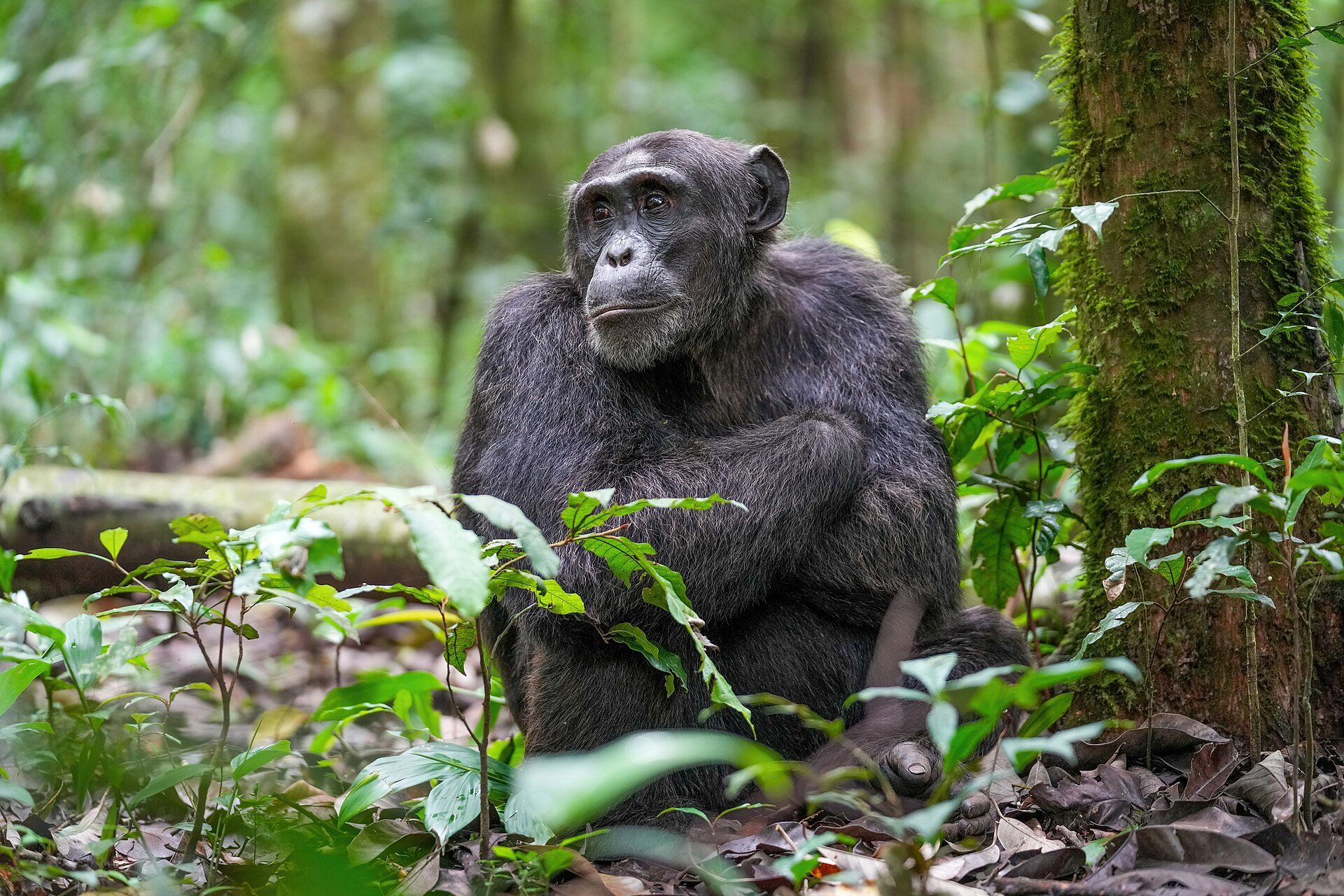
Seven metres minimum distance from gorillas and chimpanzees, one hour maximum, no flash photography, and no trekking if you are showing symptoms of a respiratory infection. Great apes share enough of our biology that a human cold can kill them.
That last rule costs us money (a client turned back at the briefing is a permit we have to fight to reschedule) and we enforce it anyway. If you wake up unwell on trekking morning, tell your guide rather than the ranger.
Plastic, vehicles and lodges
Uganda restricts single-use plastic bags and we ask clients not to bring them. Our vehicles carry filtered water in refillable containers rather than cases of bottles, which removes several hundred plastic bottles from a ten-day trip.
On lodges we favour properties that employ locally, buy produce locally and run their own community projects. Several of our partners fund schools and clinics in the parishes around Bwindi and Kibale. Ask us and we will tell you which project a given lodge supports before you book it.
What we will not sell
We do not book any experience that involves handling, riding, walking with or being photographed holding a wild animal. We do not book captive-facility encounters presented as wild ones: Ngamba Island is a sanctuary for rescued chimpanzees and we describe it as exactly that.
We do not route clients through Virunga National Park in the DRC. Its permits are cheaper and its access has been repeatedly suspended for security reasons; we are not willing to trade client safety for margin.
Ask us anything about this
If you want to know which community project a lodge funds, how a particular guide is paid, or why we do or do not sell something, ask. Email info@millionmilesadventures.com.