
Last reviewed 2026-08-27 by the Million Miles Adventures operations team, Entebbe.
The two dry seasons
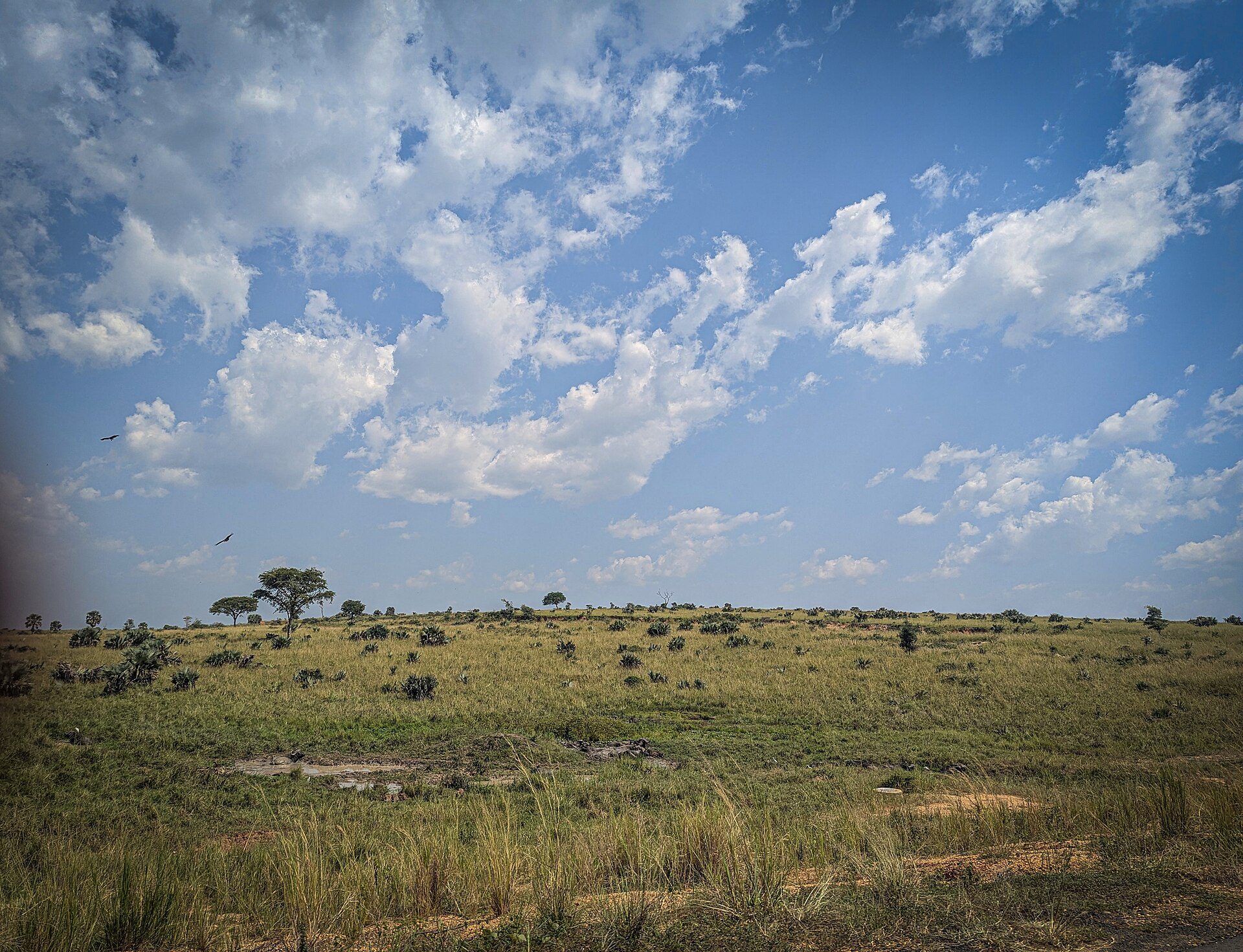
June to September is the long dry season and the peak of Uganda's tourist year. Forest trails are at their most manageable, savannah grass is short so game viewing in Queen Elizabeth and Murchison Falls is at its best, and permits go first. December to February is the shorter dry season, equally good for trekking and popular over the holidays.
These months carry peak lodge rates and the tightest permit availability. If you are travelling then, four to six months of lead time is not caution, it is the requirement.
Green season, and why we quietly prefer it
March to May and October to November are the wetter months. Rain in Uganda usually arrives as a heavy afternoon burst rather than all-day drizzle, so a morning trek is rarely lost to weather.
What you get in return is worth listing plainly: lodge rates fall 20 to 30 percent, permits are available at short notice, the forest is spectacular and the light is better for photography, migratory birds are present from November to April, and you share the trail with far fewer people. What you pay for it is mud: trails are genuinely slippery, and gaiters and a porter are essential.
Month by month
A quick read on each part of the year, assuming a primates-and-wildlife itinerary.
- January–February: dry, hot, excellent trekking and game viewing; book early
- March–May: the heaviest rains, lowest prices, greenest forest, easiest permits
- June–July: dry, cool in the highlands, the single most popular window
- August–September: dry, superb savannah game viewing, peak rates
- October–November: short rains, good value, strong birding as migrants arrive
- December: dry from mid-month; the holiday period books out well in advance
Timing for specific experiences
Gorilla trekking runs every day of the year. Chimpanzee tracking in Kibale is best in the drier months, when the community ranges lower and is found faster. Boat cruises on the Kazinga Channel and the Victoria Nile operate year-round, and animal concentrations at the water are highest late in a dry spell.
Birders should aim for November to April, when Palearctic migrants join Uganda's resident list of over a thousand species. The shoebill is resident and can be looked for at Mabamba Swamp near Entebbe in any month.
Frequently asked questions
Ready to put this into a trip?
Our Uganda safari itineraries
- 3-Day Gorilla Trekking Express — From $2,450 pp sharing
- 5-Day Primates & Wilderness Explorer — From $3,150 pp sharing
- 10-Day Grand Uganda Wildlife & Nature Expedition — From $4,650 pp sharing
More planning guides